Theatre of Angels
[One paragraph about the project, in the third person, 50–70 words.]
Theatre of Angels · key image16:9 · full bleed
Transmedia artist exploring creative process, memory and identity through photographs, paintings, objects and digital media.
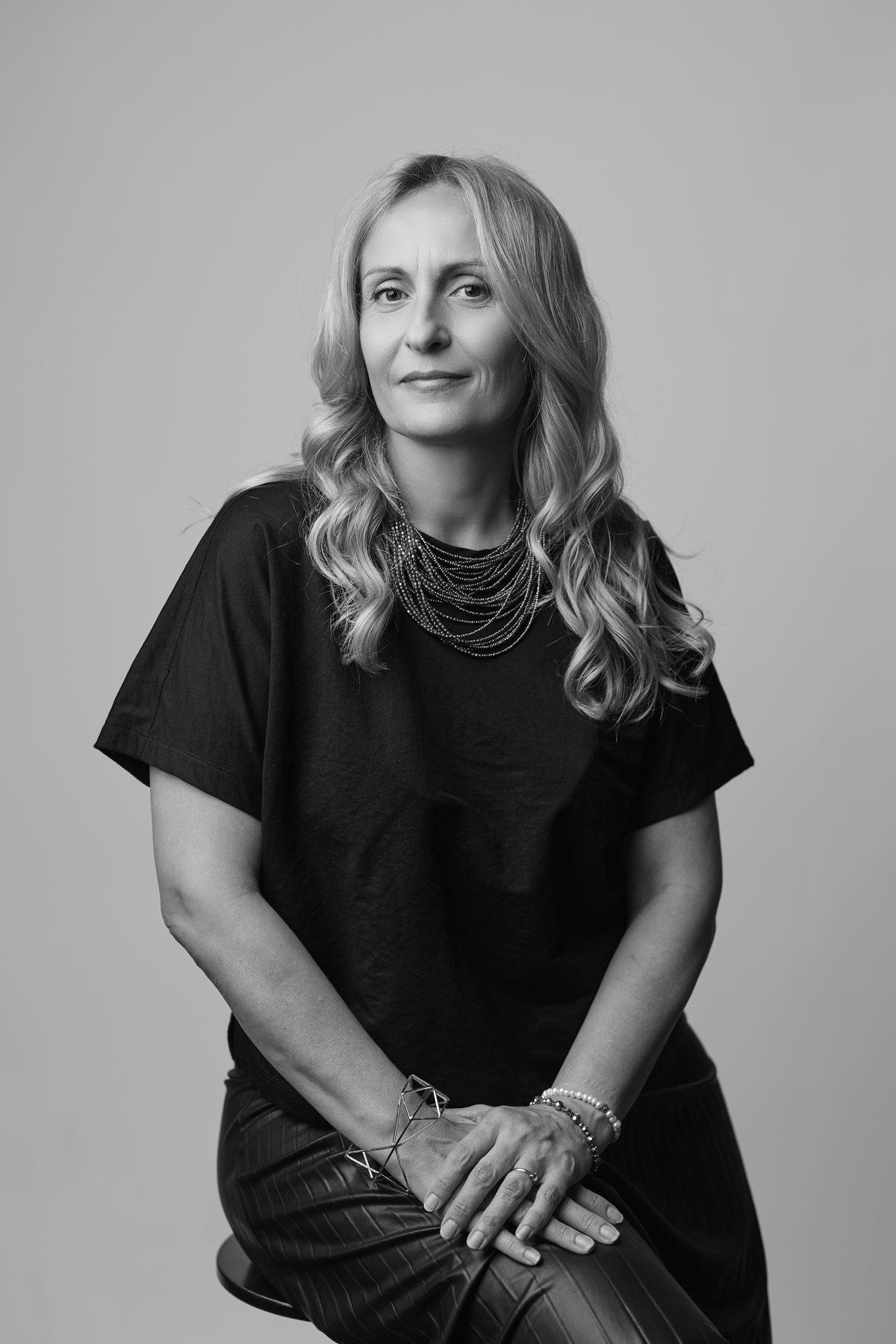
Katarina was always drawn to different forms of artistic expression. Drawing, photography and music shaped most of her childhood and teens. Since then she has moved from painting to sculpture, installations, video, web art, games, virtual reality and artificial intelligence, and back to paint and print.
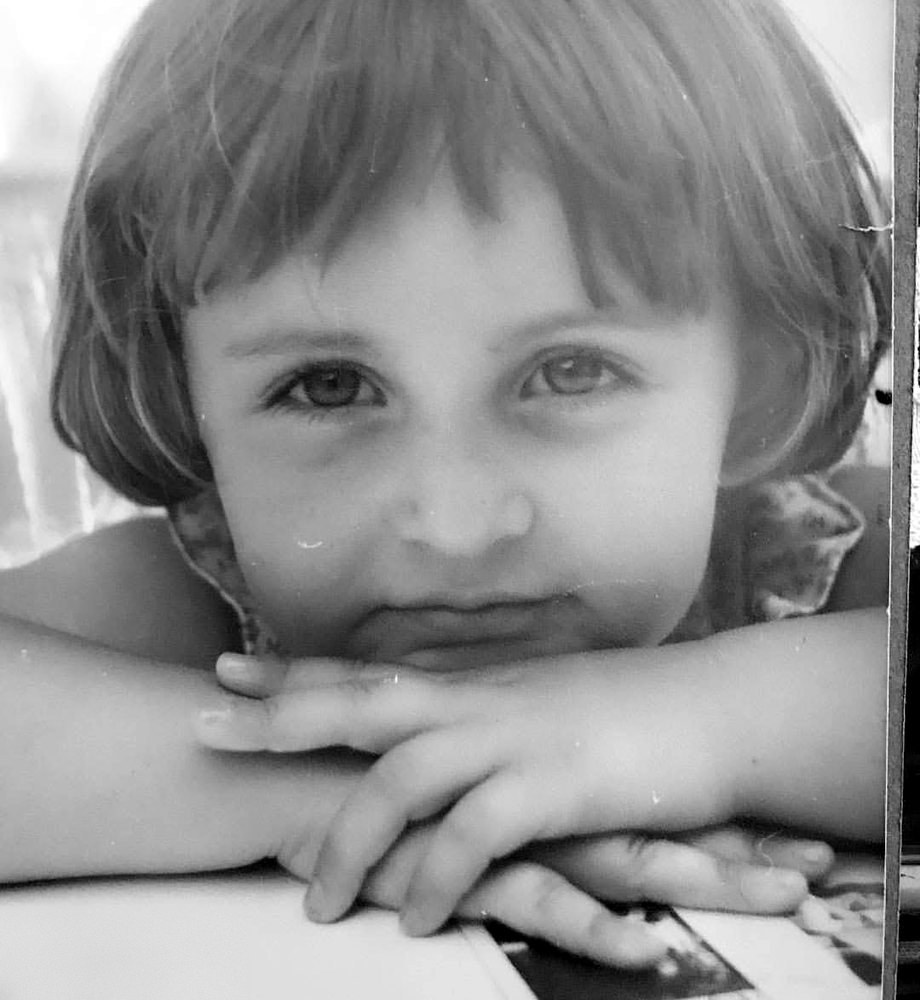
As a preschooler and in primary school she was interested in drawing and photography.
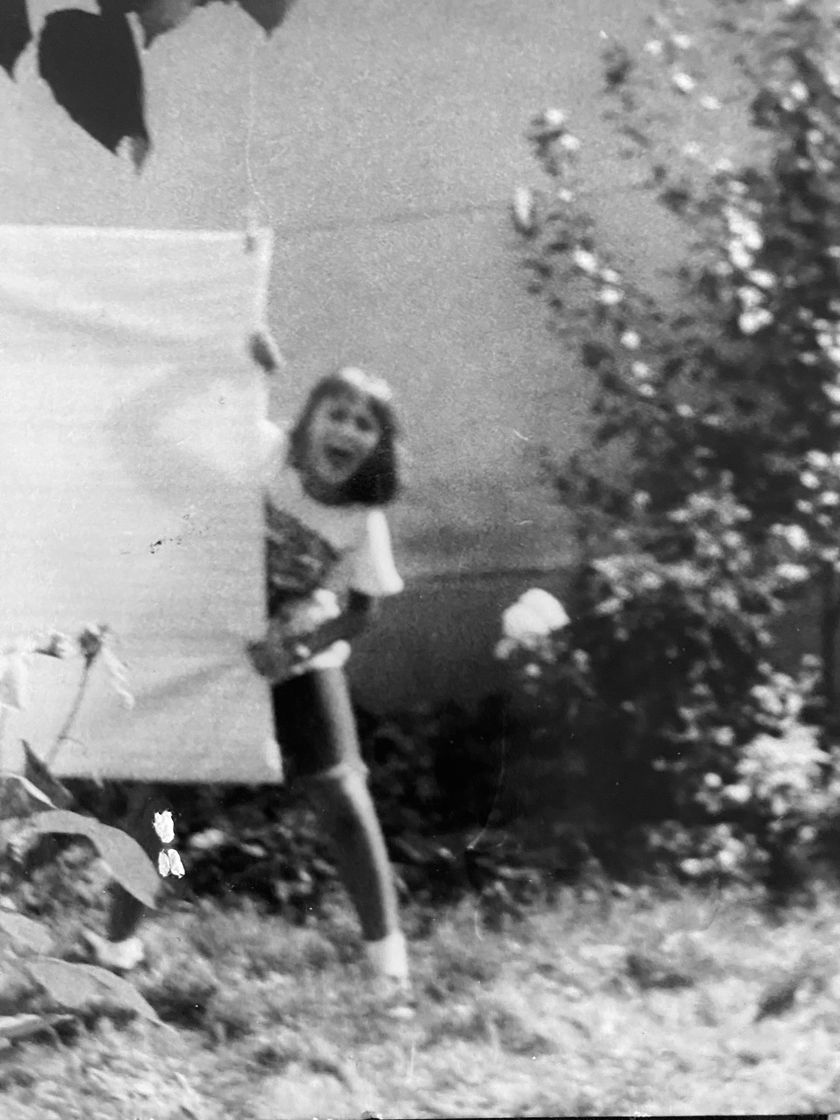
She spent many weekends and summers in Laćarak, near Sremska Mitrovica, where her grandparents lived. She learned to develop photos with her father and uncle.
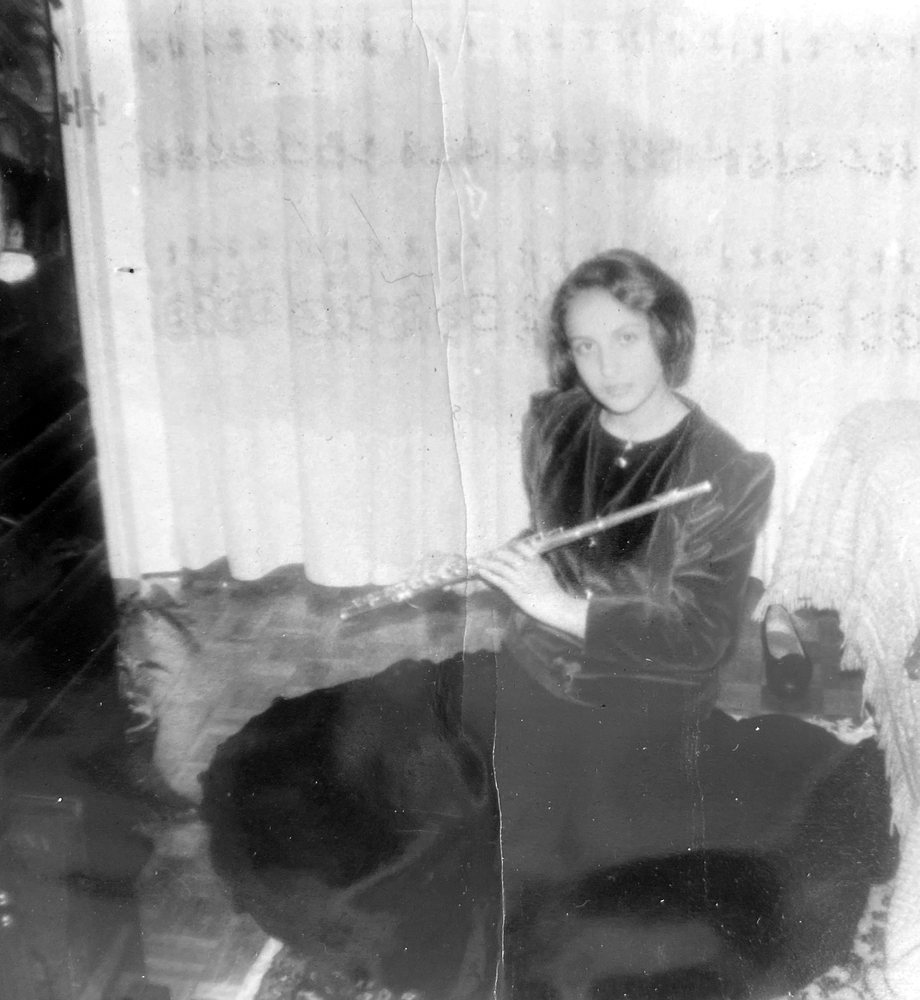
Katarina went to music school from the age of ten and played the flute.
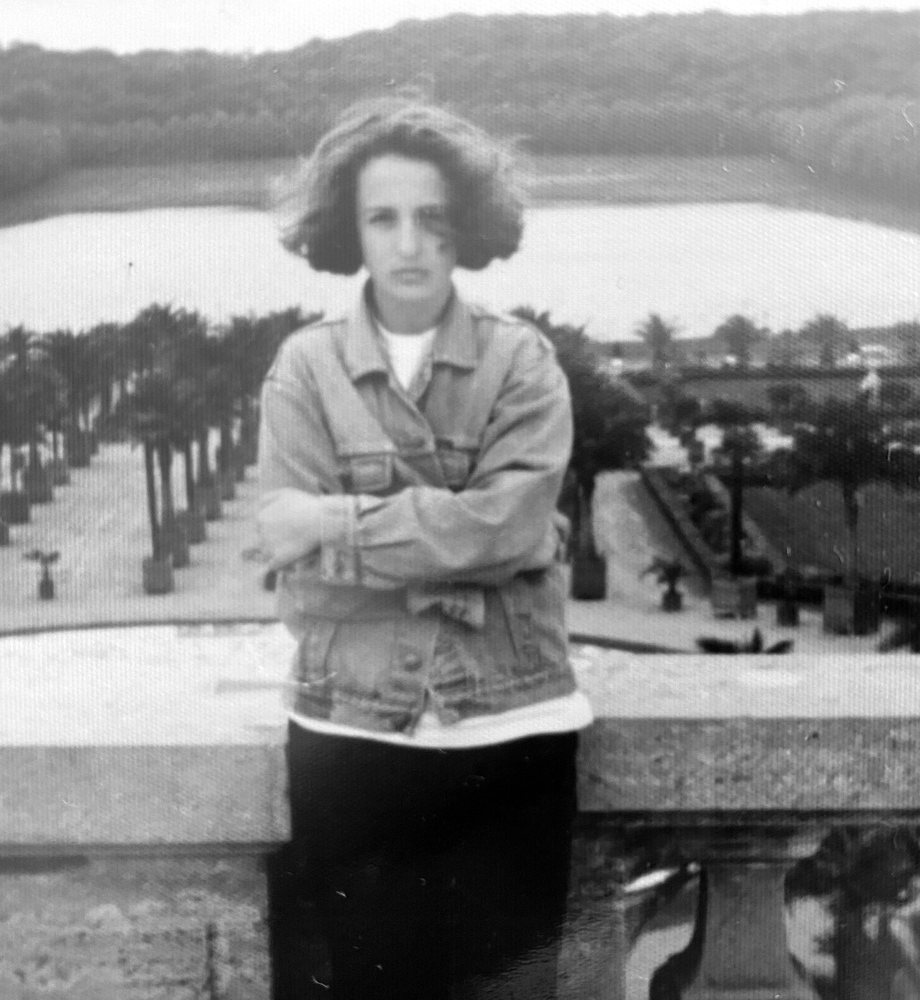
She celebrated her 14th birthday in Paris, where her father's aunt lived. While she was there with her mother and brother, war broke out in Yugoslavia and the country fell apart.
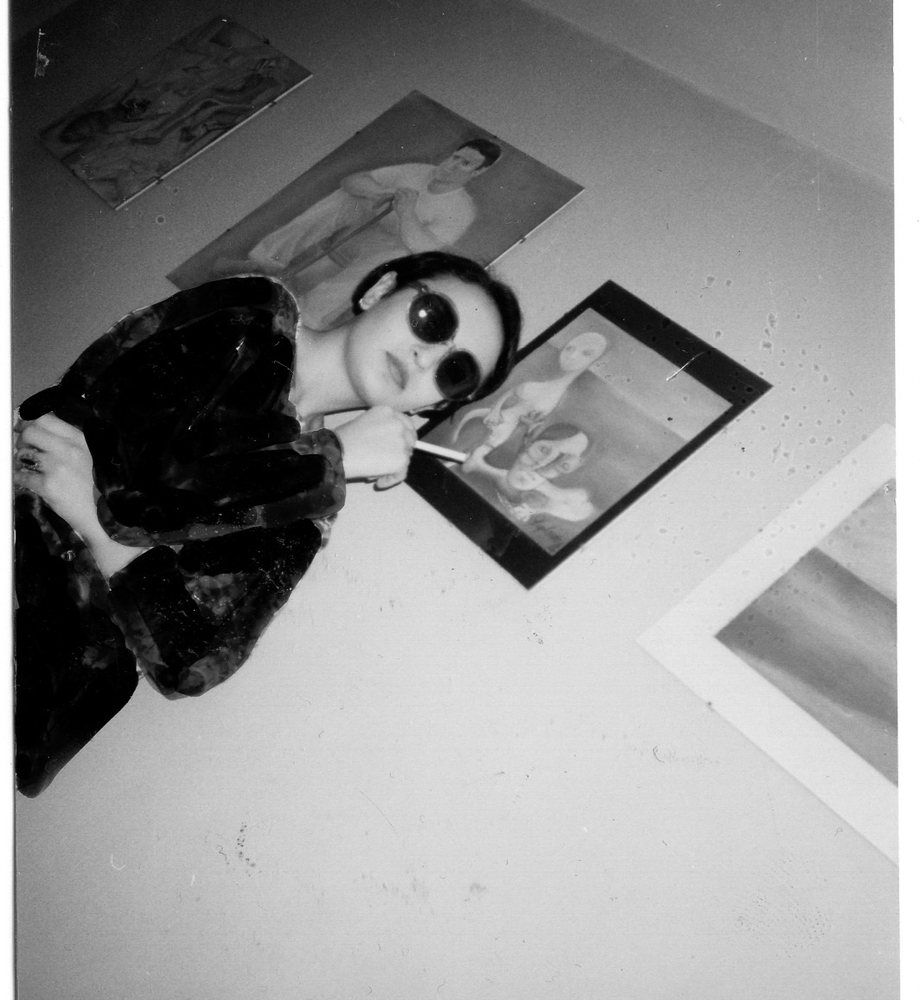
During her high school years Katarina started drawing and painting classes. She was interested in theatre, and wrote and directed three plays in the school drama group.
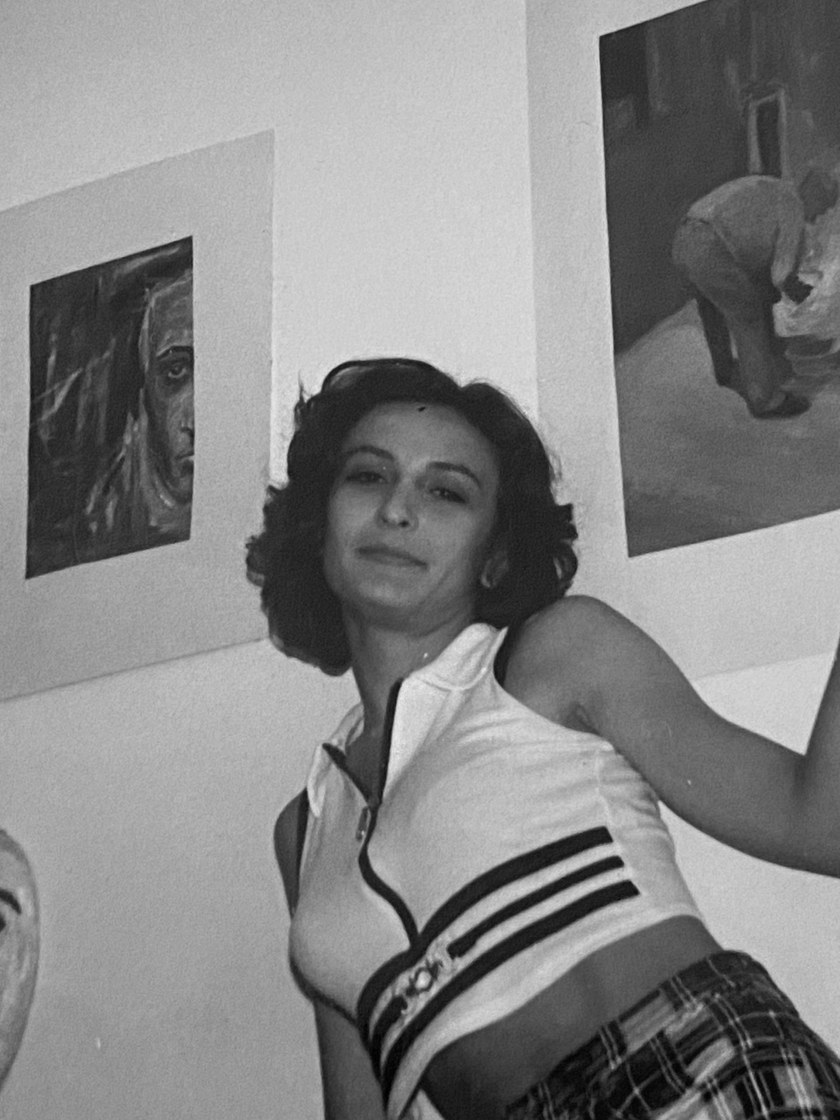
Katarina first tried to enter the Academy of Fine Arts in Belgrade at sixteen, and tried twice more.
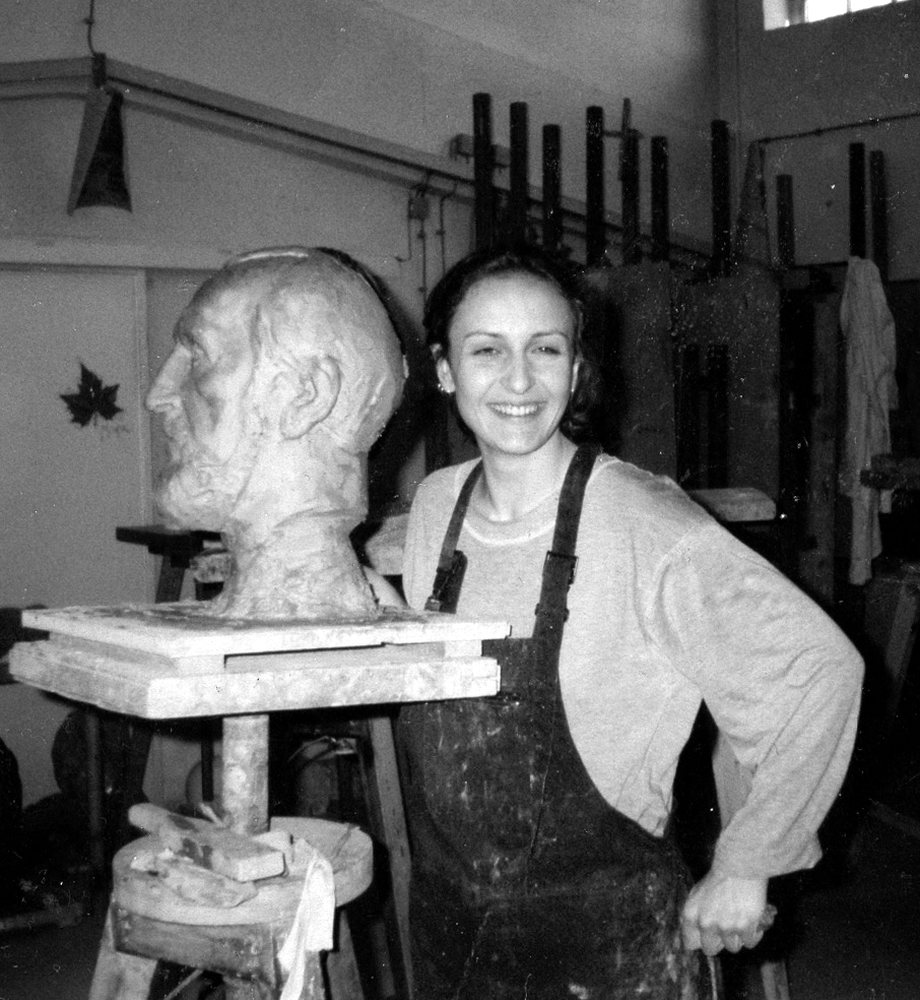
She was admitted to the sculpture department with the help of her mother's friend.
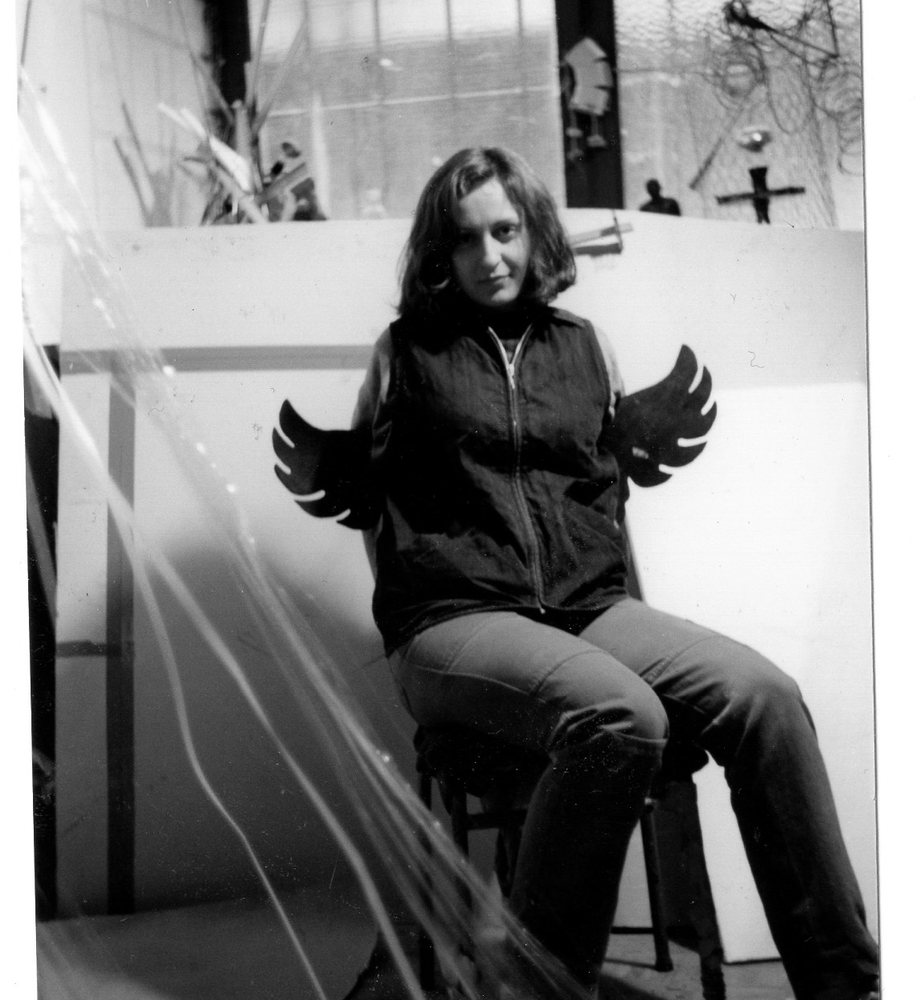
She had a small studio in the basement of the building where she lived with her family during her studies.
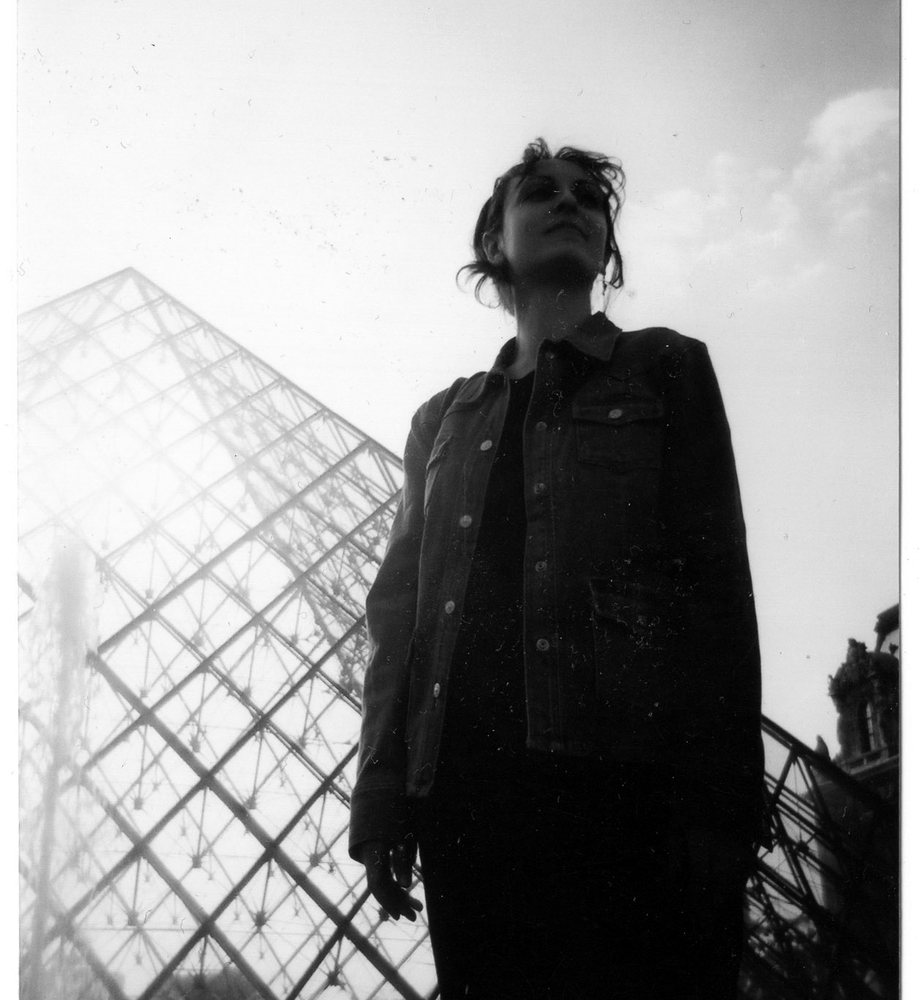
After graduating, she applied to postgraduate programmes in Paris and Lyon, but without a scholarship she couldn't afford to live and study in France.
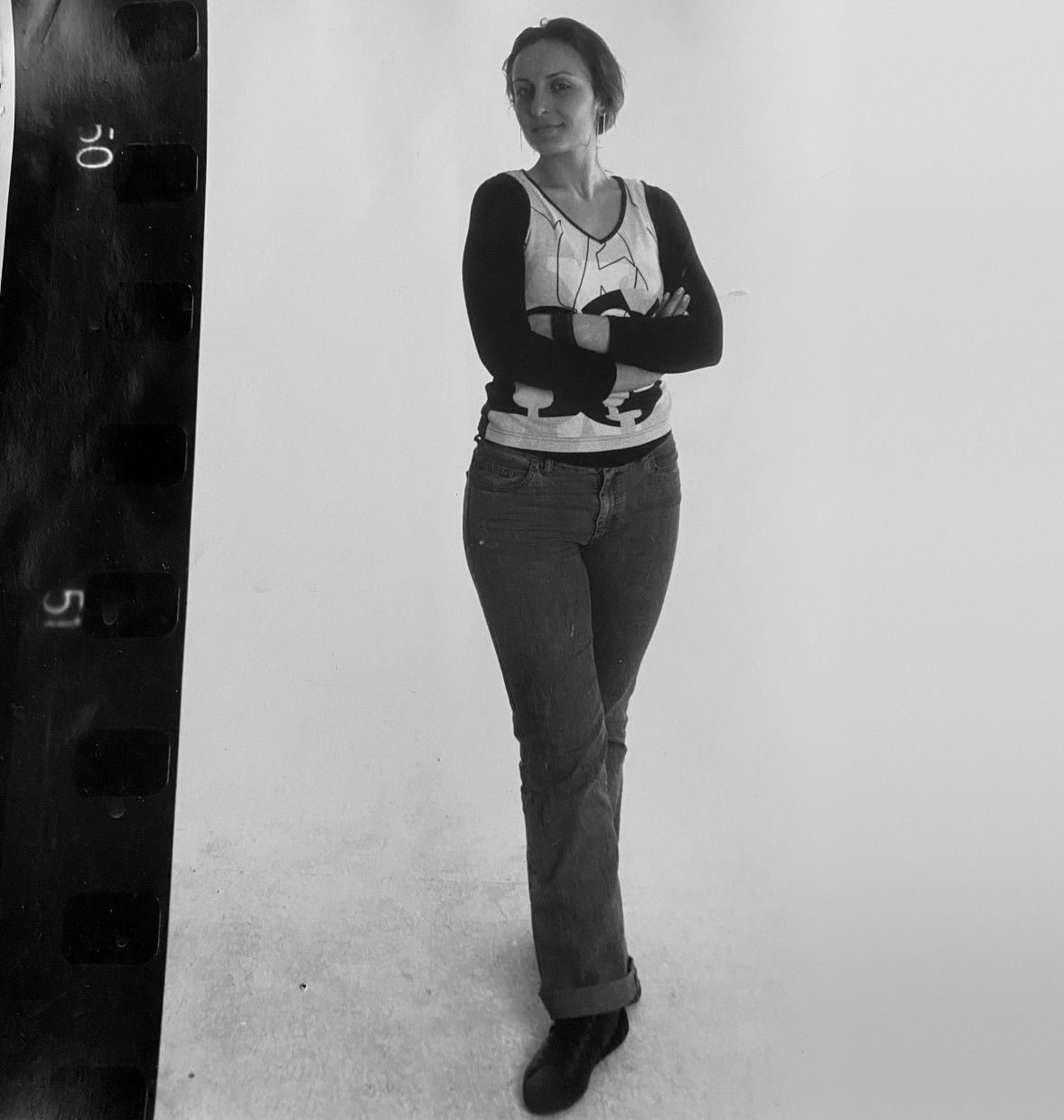
In 2004 she entered the new interdisciplinary master's programme in Polymedia Art in Belgrade. She developed this photograph herself in the photo studio.
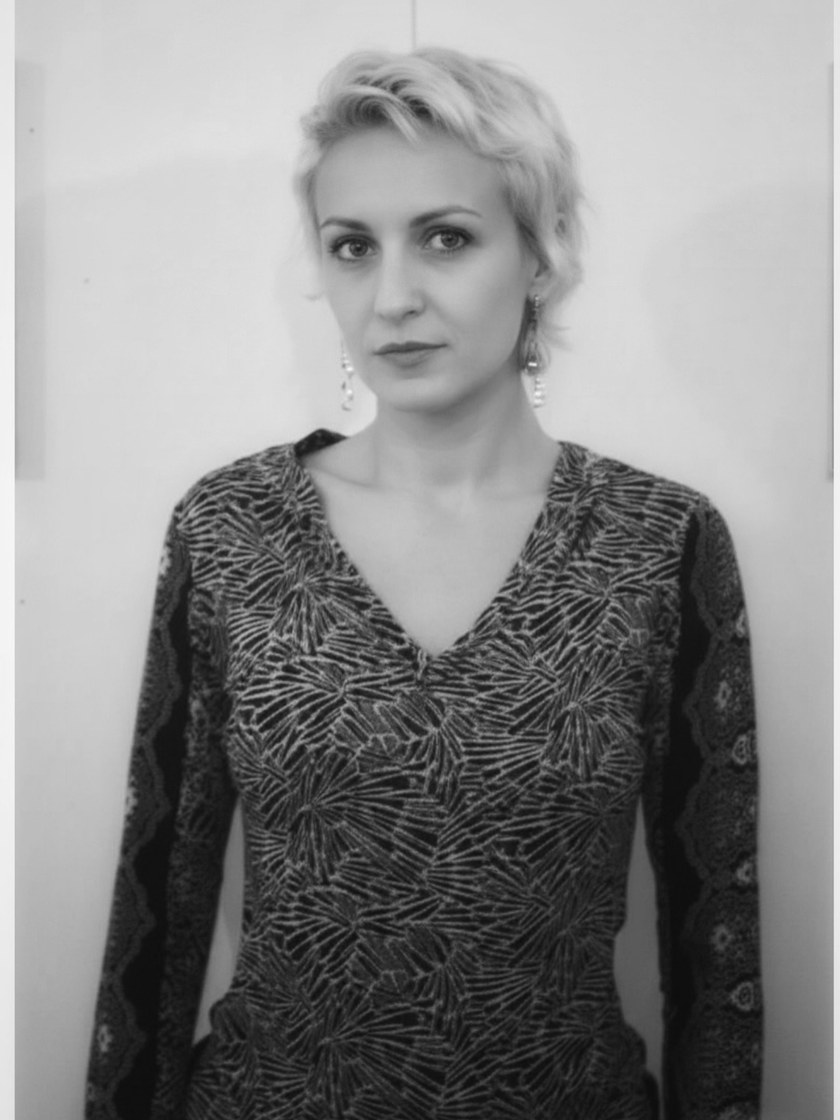
In January 2006 she changed her name to Katarina, and changed her looks and hairstyle too. Her second solo show, and the first as Katarina, came in December 2006.
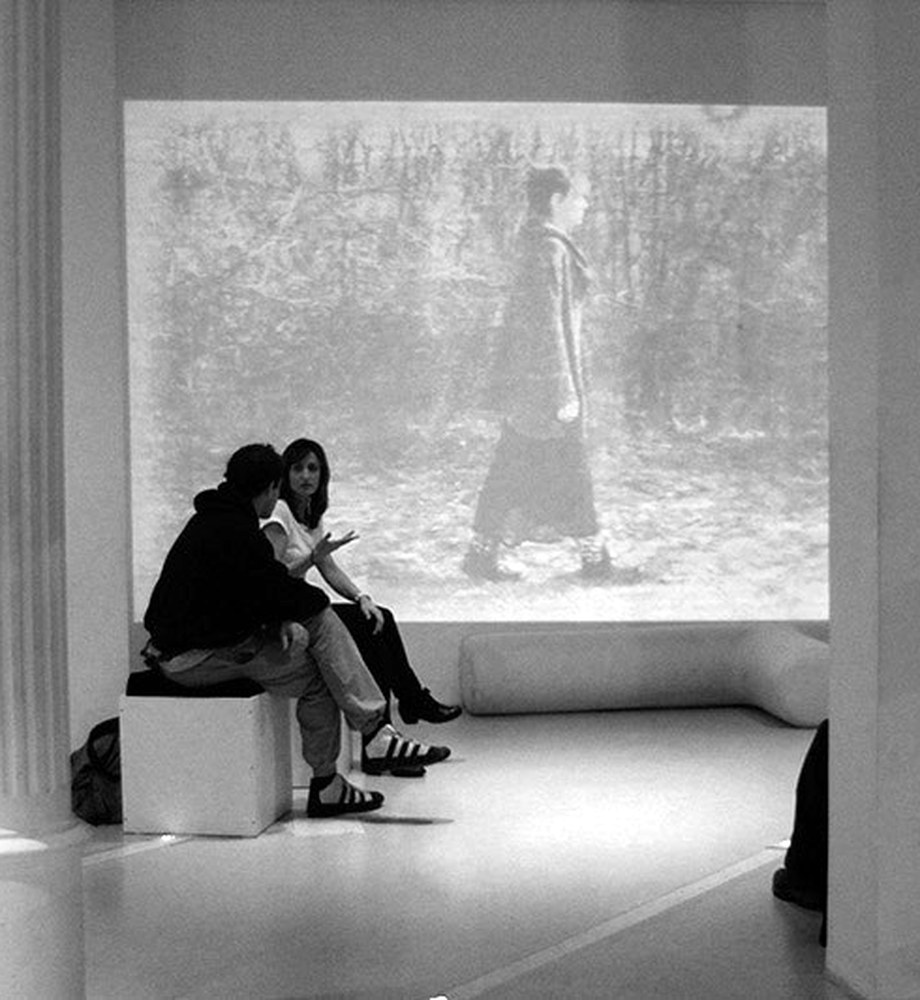
Her doctoral exhibition was a great success. She was always supported by her mentor, professor Vladan Radovanović.
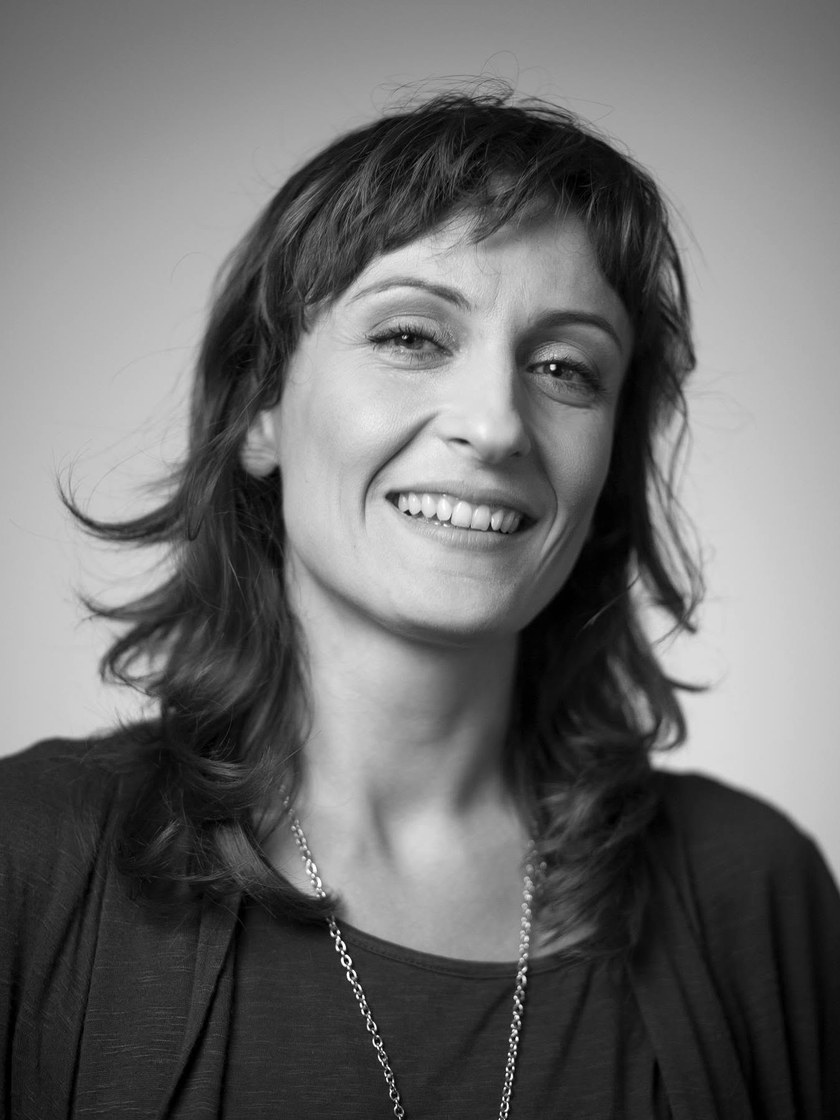
In 2013 she left McCann Erickson, where she worked as an art director, and started teaching at the Faculty of Digital Arts, Metropolitan University.
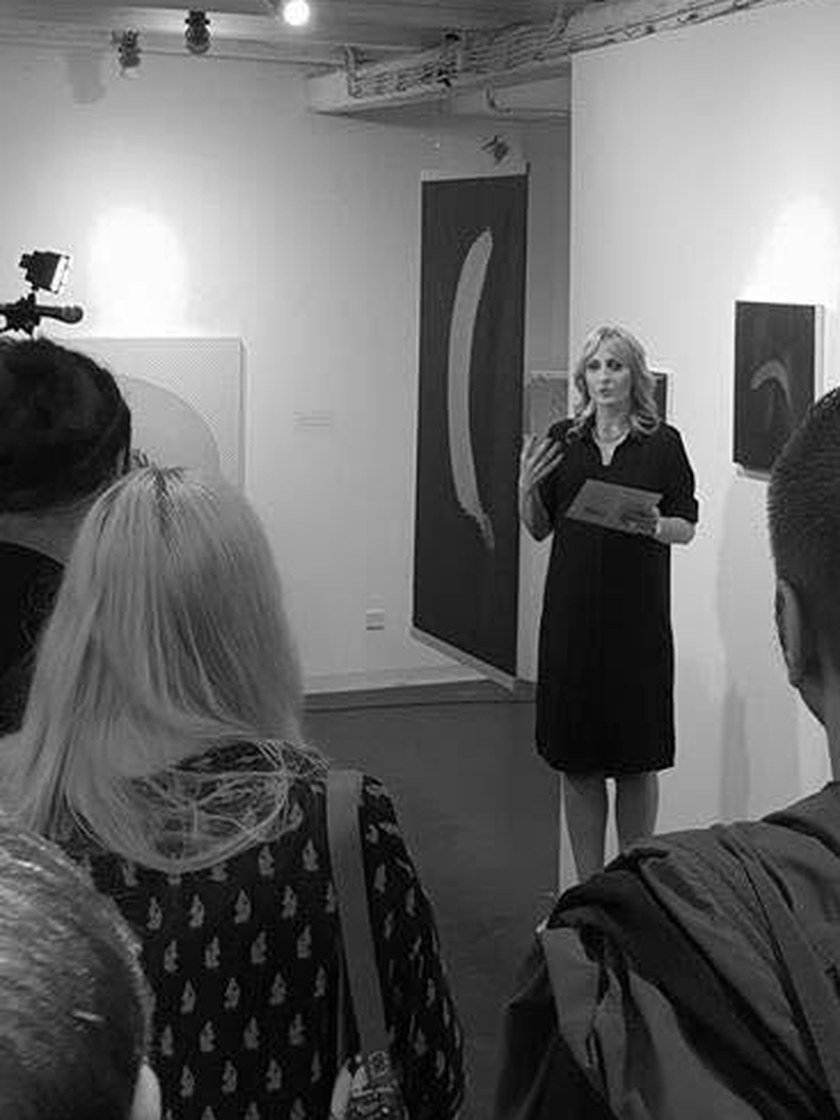
Her second solo exhibition, at O3ONE Gallery, defined the transmedia storytelling she has nurtured ever since.
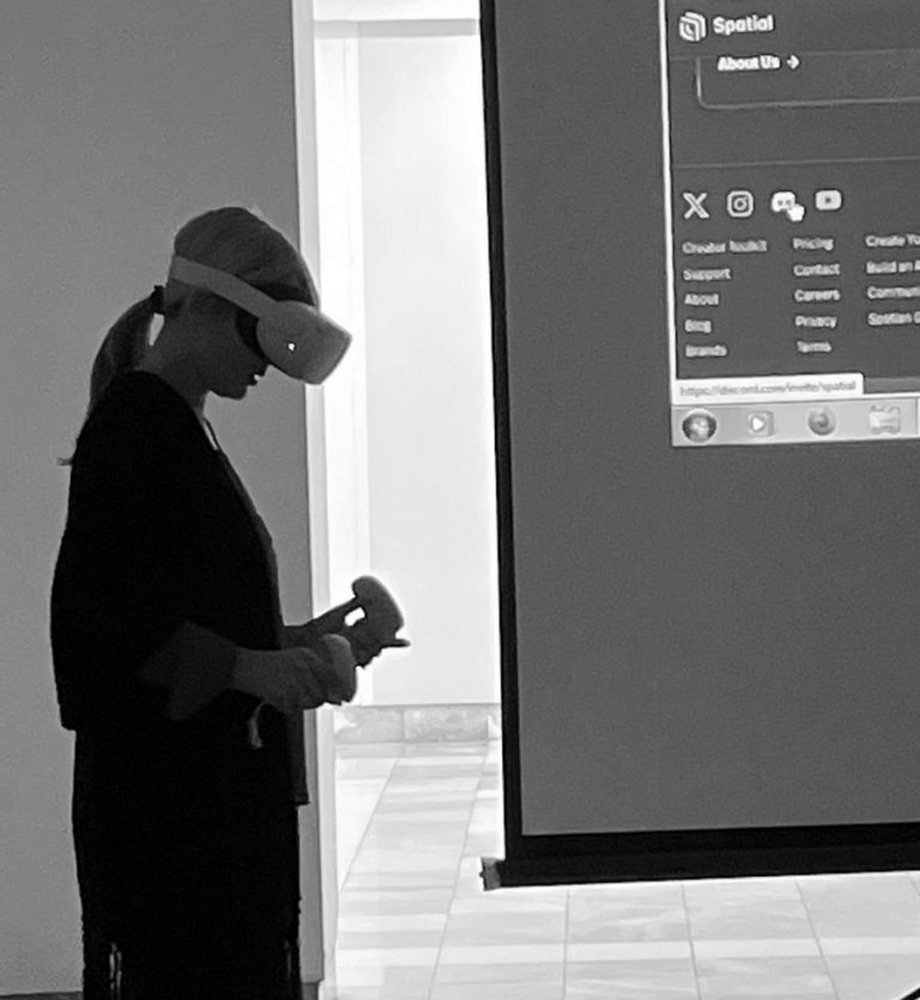
She has always been interested in building bridges between the material and the digital realm.
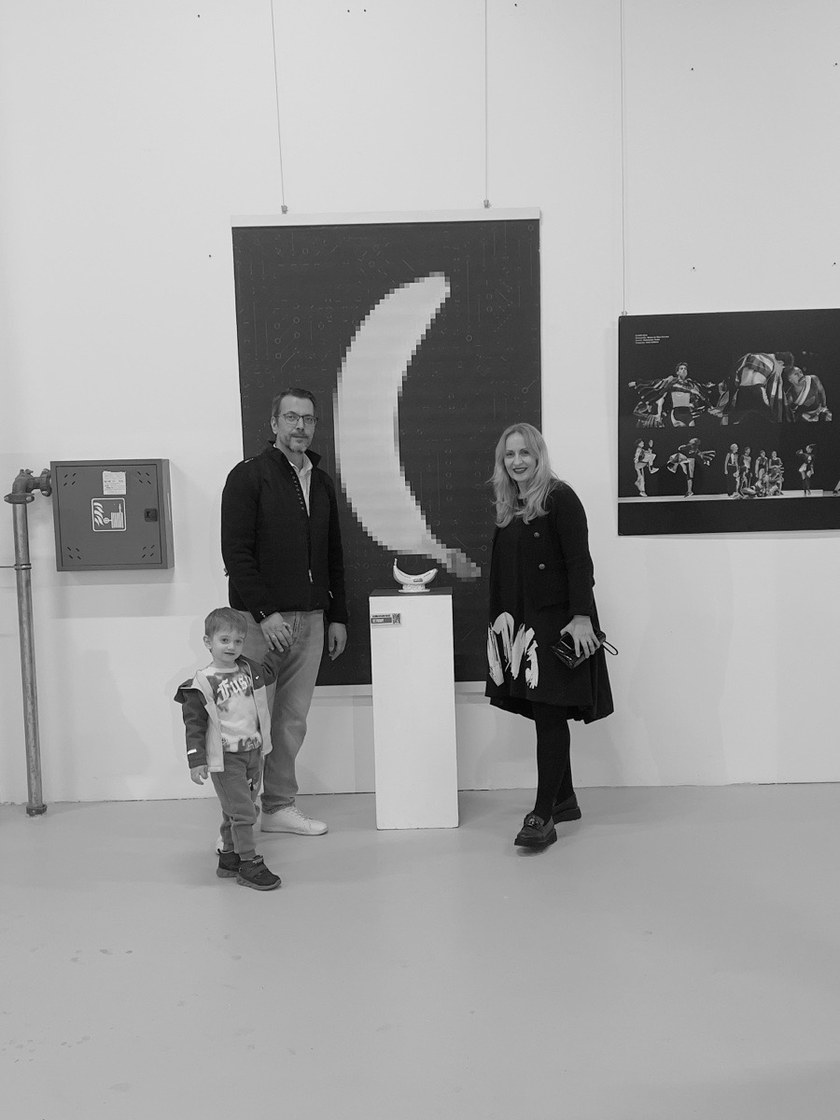
Katarina lives in Belgrade with her husband and son.
2006 · A new self
Like Laurie Anderson, I wanted to make a new self.K. K.
Her parents agreed to call her Dajana. Her father went to register the birth alone and came back with Snežana, after his brother and her grandmother decided that Dajana sounded strange. Her mother never liked the name. She grew up switching instruments and media: flute in music school, saxophone in high school, drawing, painting and taking photos all along.
At the University of Arts she heard Miško Šuvaković lecture on Laurie Anderson, who cut off her hair to remake herself, and she was reading Self-Invention: A Theory of Identity (L'invention de soi : Une théorie de l'identité, 2004) by French sociologist Jean-Claude Kaufmann.
In January 2006 she made her own new self and became Katarina.

 Before 2006After 2006
2004 · The concept
ContraART is a term Katarina Kaplarski Vuković invented to describe, and to brand, her work. She often creates with digital tools and combines digital and non-digital images and narratives. ContraART is not the opposite of art: it stands for the contrapuntal motion of art between digital space and real life.
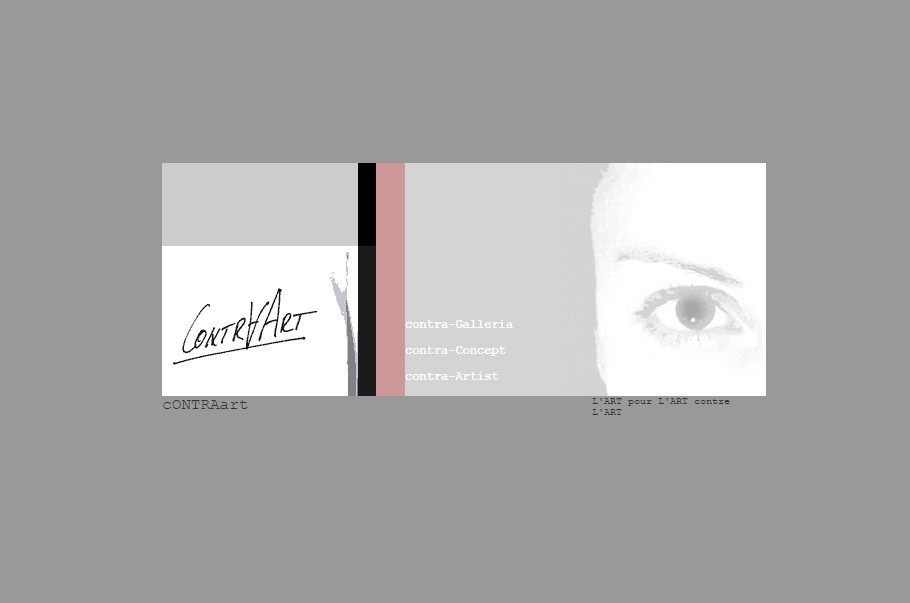
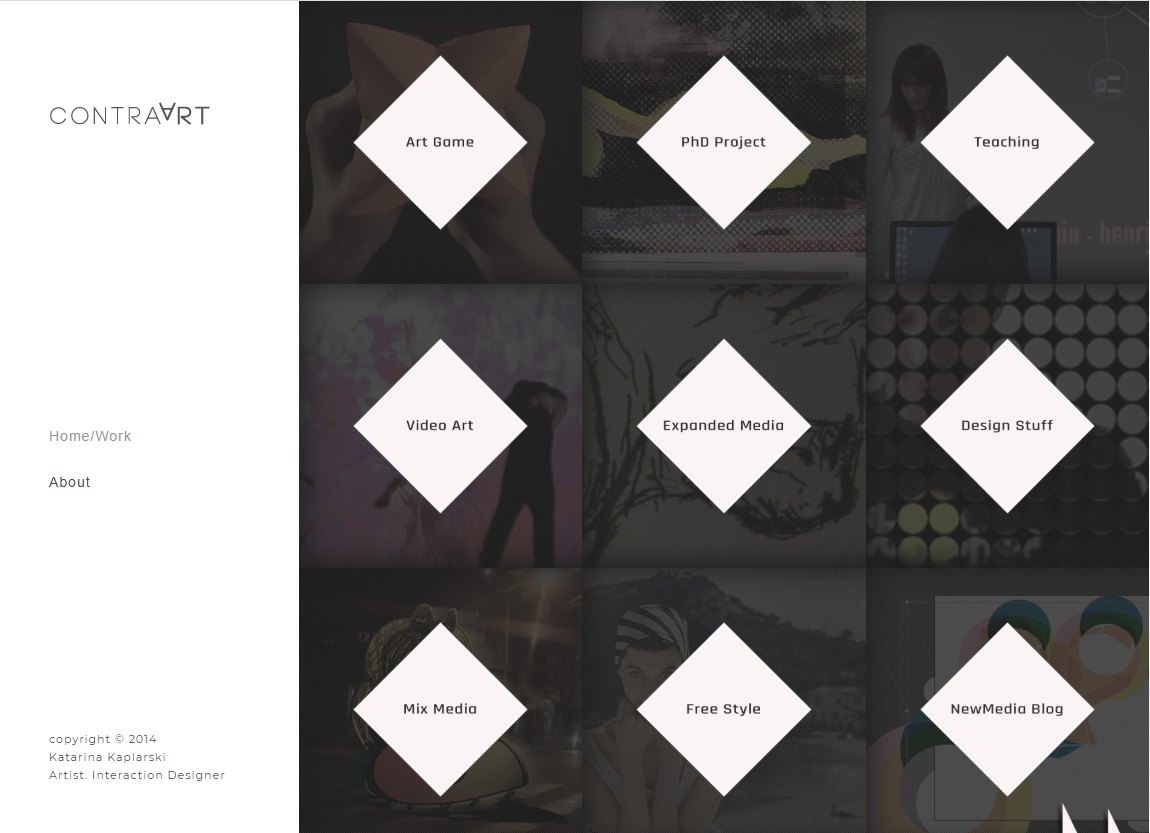
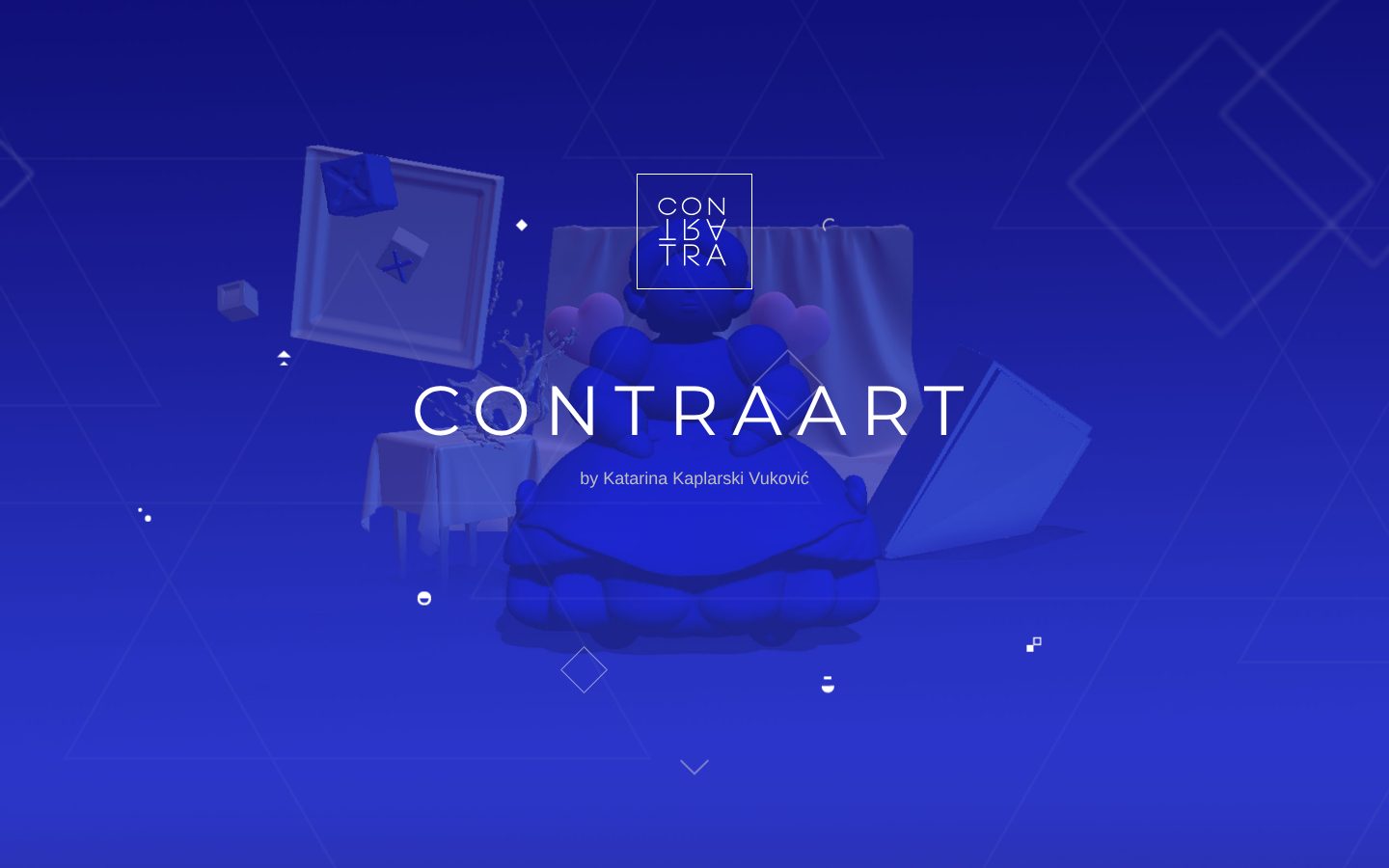
In 2004 she bought the domain contraart.com and made her first website. It was the moment when art had to be digitised and democratised, shown not only in the gallery but in an online gallery as well. Her websites since then are part of that story.
The archive · websites 2004–2021
[One paragraph about the project, in the third person, 50–70 words.]
[One paragraph about the project, in the third person, 50–70 words.]
An online fortune game that turns the habits of quizzes and horoscopes back on the player. The work asks how we put our wishes and doubts into popular symbols, and what we expect when we ask a machine about our future.
The player types the question they want answered into a white box. It stays anonymous. Then they choose one of four symbols of bad fortune.
A second cycle begins, and the player picks one symbol of good fortune. Together the two symbols decide the answer.
One sentence and a short video. If the answer does not fit, the player can start again or ask another question.
Shown in the group exhibition Polymedia Art in Serbia, curated by Vladan Radovanović, Art Pavilion Cvijeta Zuzorić, Belgrade, 2014. Code by Ivan Batić.
[One paragraph about the project, in the third person, 50–70 words.]
Photographs of her parents from 1972, restaged in compositions taken from David Hockney. [One or two more sentences, in the third person.]
[One paragraph about the project, in the third person, 50–70 words.]
[One paragraph about the project, in the third person, 50–70 words.]